


Adult Basketball Training Program That Works

Most adults do not need more random runs, more pickup excuses, or more YouTube clips saved to their phone. They need an adult basketball training program that respects their schedule, addresses their actual weaknesses, and helps them show up stronger when the game gets fast.
That is the difference between playing more and training better. Adult athletes often juggle work, family, recovery, and inconsistent gym access. So the right program cannot be built like a youth camp or a college practice plan. It has to be structured, efficient, and honest about what moves the needle.
What an adult basketball training program should actually do
A strong adult basketball training program should improve three things at once - skill execution, basketball conditioning, and confidence under pressure. If one of those pieces is missing, the results usually stall.
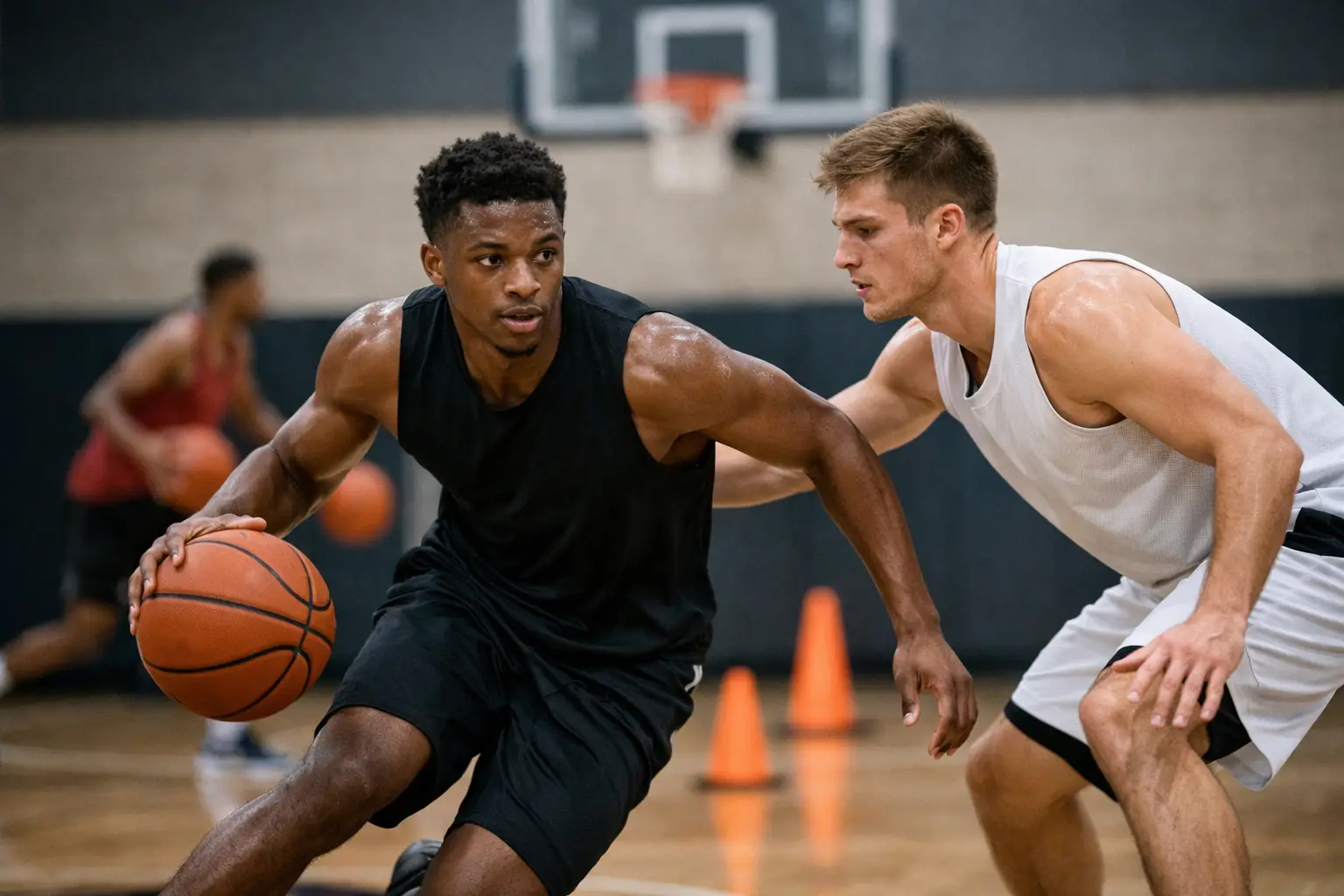
Skill work matters because adults often carry habits they have repeated for years. Some players can score in pickup but struggle to create space against better defenders. Others can handle the ball in drills but lose control when they have to read help defense, change pace, or finish through contact. Real training closes that gap.
Conditioning matters too, but not in the old-school punishment sense. Basketball shape is different from general fitness. You need to repeat hard efforts, recover quickly, stay balanced, and make decisions while tired. That takes sport-specific work, not just running miles.
Confidence is the third piece, and it gets overlooked. Adults know when they are underprepared. If your handle feels shaky, your jumper comes and goes, or your legs fade after a few possessions, you play cautious. A good program gives you enough repetition and enough structure that your game starts to feel dependable again.
Who benefits most from adult basketball training
This kind of training is not only for former college players or high-level hoopers trying to stay sharp. It is just as valuable for adults getting back into the game after years away, recreational players who want to stop feeling a step behind, and competitive athletes who want more than pickup can offer.
Some adults join because they want better workouts with a real purpose. Others want to dominate their local runs instead of surviving them. Some are former athletes chasing their rhythm again. It depends on your background, but the common thread is simple: you want measurable improvement, not guesswork.
That is why progression matters. Beginners need clean fundamentals and body control. Intermediate players need tighter decision-making, more reliable shooting mechanics, and stronger game reads. Advanced players need sharper pace, more efficient footwork, and details that hold up against real pressure.
The biggest mistake adults make in training
The biggest mistake is trying to do everything at once. A little ball handling, a few random shots, some social media drills, maybe a leg workout if there is time - that approach feels productive, but it usually leads to scattered progress.
Basketball development works better when training is built around priorities. If your first step is slow, your plan should attack explosiveness, balance, and change of direction. If you struggle to shoot consistently, your work should focus on mechanics, shot prep, and game-speed repetition. If you fade late in runs, your conditioning has to match basketball movement patterns.
Adults especially need this level of focus because time is limited. Most players do not have two hours a day to train. A focused 45 to 60 minutes, done the right way, beats a longer session with no direction.
What should be inside the program
The best programs start with an honest assessment. Not a guess. Not a highlight reel. A real look at how you move, shoot, handle pressure, and finish. From there, the work should be built around your level and your goals.
Skill development that transfers to games
Ball handling should go beyond stationary combos. Adults need handle work that builds control at different speeds, protects the ball under pressure, and improves movement into real actions like attacks, pull-ups, and escapes.
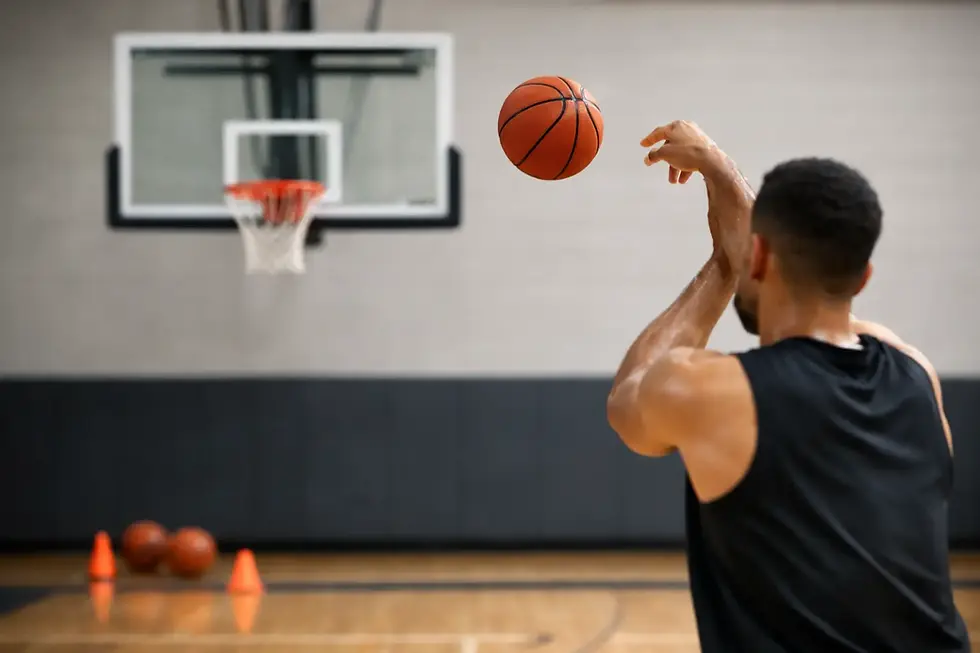
Shooting should include form, but form alone is not enough. You also need shot prep, footwork, rhythm, and repetition from spots you actually get in games. A player who only shoots wide-open set shots in workouts may still struggle in live action if they never train off movement or under fatigue.
Finishing work should account for contact, angles, and touch. Many adult players miss makeable shots because they attack with one speed and one finish. Better training adds variety - inside hand, outside hand, floaters, stride stops, and finishes that fit different defenders.
Basketball conditioning, not generic cardio
Conditioning should match how basketball is played. That means bursts, changes of direction, defensive movement, acceleration, deceleration, and quick recovery. Treadmill miles have a place for general fitness, but they do not fully prepare you for repeated possessions.
A smart adult basketball training program also respects recovery. If your knees, hips, or lower back are talking to you every week, the answer is not always more volume. Sometimes it is better movement quality, smarter loading, and better spacing between hard sessions.
Athletic performance and durability
Strength, mobility, and balance all support skill. Adults who want to stay in the game longer need more than a jumper and a crossover. They need to move well enough to repeat those skills without breaking down.
That means lower-body strength for force and stability, core control for balance, and mobility that lets you get into clean positions. It also means knowing when to push and when to recover. Hard training is good. Reckless training is not.
Group training, private coaching, or online work?
The right format depends on your goals, schedule, and budget. There is no fake one-size-fits-all answer here.
Private coaching is the fastest path for players who want individualized correction and a plan built around specific weaknesses. If your mechanics need real attention or you want focused accountability, one-on-one training is tough to beat.
Group training brings energy, competition, and a strong work environment. It can be a great fit for adults who thrive when others are pushing beside them. The trade-off is that personal correction may be less detailed than in private sessions.
Online training gives flexibility and structure for players who cannot always attend in person. It works best for disciplined athletes who will follow the plan consistently. Without that buy-in, even a strong digital program can turn into another saved resource that never gets used.
At King Of Bounce Training, that progression-based mindset matters. Adults improve faster when training matches where they are now, not where they wish they were.
How to know if your program is working
Improvement should be visible. Not someday. Not only in your motivation. You should feel it in your movement, your shot quality, your stamina, and your decision-making.
A working program usually shows up in small wins first. Your handle feels calmer under pressure. You get to your spots with less wasted motion. Your shot holds up deeper into the session. You recover faster between hard efforts. Then those changes start showing up in games.
If weeks go by and nothing is changing, something is off. Maybe the plan is too broad. Maybe the intensity is inconsistent. Maybe the drills look advanced but do not address your actual needs. Good training should challenge you, but it should also give you evidence that you are improving.
Why adults need a real plan
There is a reason so many adult players plateau. They rely on competition to build skills, but games mostly reveal your level. Training is what raises it.
A real program gives purpose to your work. It helps you stop wasting sessions on what feels impressive and start building what performs. That could mean rebuilding your jumper, cleaning up your footwork, improving your conditioning, or finally getting through a run without your game falling apart after twenty minutes.
Your best days on the court are not behind you because you are older. They are in front of you when your training gets more intentional. Start with a plan that fits your level, your body, and your goals, then keep showing up until your game looks different.

Comments